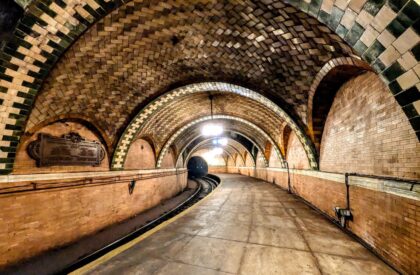
The Old City Hall station, an iconic piece of New York City's transit history, was completed in 1904 as part of the original subway line. Its unique architecture and historical significance make it a fascinating site for subway enthusiasts and history buffs alike.
Despite its operational closure in 1945, the station remains a preserved relic of early 20th-century engineering and design. Today, it is not open to the general public but can be visited exclusively through special tours organized by the New York Transit Museum.
These guided visits offer a rare glimpse into the station's original features, including its beautiful tile work, ornate architecture, and the platform's unique curved design. The station's architecture reflects the grandeur of the early subway era, with intricate details that are seldom seen in modern transit stations.
To experience this historic site, visitors must obtain tickets in advance, as access is limited to preserve the station's condition. The tours typically include a walk through the station's darkened tunnels, providing an immersive experience into New York City's transit past.
The station's history is intertwined with the development of the city's subway system, which revolutionized urban transportation and contributed to the city's rapid growth in the early 20th century. Its closure was primarily due to the station's design limitations and the city's evolving transit needs.
Today, the Old City Hall station stands as a testament to early subway engineering and remains a beloved landmark for those interested in New York City's rich history. Its preservation allows future generations to appreciate the ingenuity and artistry of the city's transit pioneers.
For those interested in exploring this hidden gem, checking the New York Transit Museum's schedule for upcoming tours is recommended. Visiting the station offers a unique opportunity to step back in time and witness a piece of New York's transportation legacy firsthand.